Having to deal with illness usually comes with pain. In a hospital or other care setting, efforts are made to relieve that pain, often through treatment or medication. But what happens if an artist asks you to draw that pain, to shape it in clay, to express it in a form other than language, thereby expressing it? What is the colour of your pain? What shape does it have? How does it move? Is it light or heavy, warm or cold? By translating feelings and lived experience into artistic expression, it often becomes easier to talk about pain. Together with the artist, you explore what the illness is doing to you.
What does your pain look like?
Transdisciplinarity in practice
Artistic imagination can help people with an illness make sense of their pain. So how, as an artist, should you design the collaborations with this specific target group? To answer this question and provide input for HKU’s education, the professorship Expanding Artistic Practices collects knowledge and experiences. Artist Nieke Koek and professor Nirav Christophe visited the ‘Gala van Gezondheid’ (‘Health Gala’) on 11 March to share their insights.
What does your pain look like?
'Together with the artist, you explore what the illness is doing to you'
Experience atelier
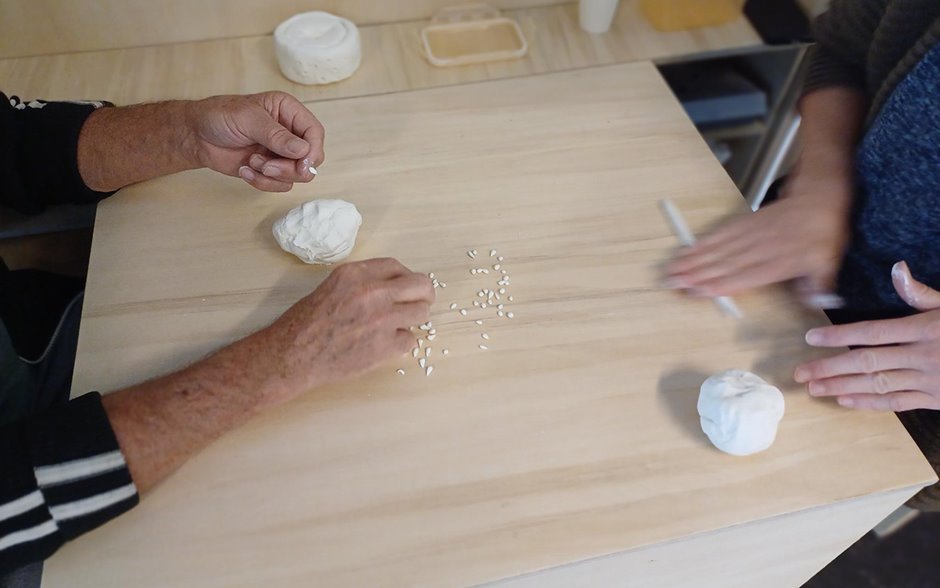
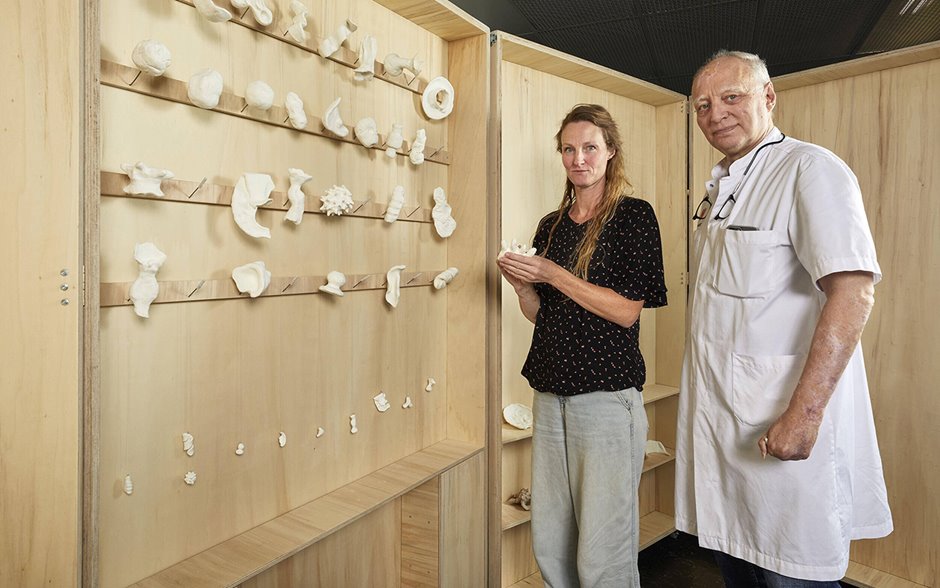
This intersection between care and art is where artist Nieke Koek operates. The abilities, or inabilities of the human body are a source of inspiration for her work and artistic methods. She is the creator of the ‘MeeMaakAtelier’, a mobile studio within Amsterdam University Medical Centre (UMC), where physical experiences such as illness, pain, recovery or vulnerability are translated into three-dimensional forms in clay, which can also be useful in conversations with the doctor.
Nieke: 'We are often afraid of illness, pain, death and the inevitable end. Yet for many, they are part of everyday life. By discussing them through a form of expression other than language, through creative expression, they can be treated more playfully and accessibly. This has an effect on the patient, as well as on the doctor or other healthcare professional. It opens a gateway beyond fear, allowing space for curiosity and for asking new questions.'
In Search of Stories
Together with HKU professor Nirav Christophe, who leads the Expanding Artistic Practices research group, and several other artists, Nieke collaborated on the project In Search of Stories from 2022 to 2025. In this project, started by HKU and Amsterdam UMC, artists teamed up with terminal cancer patients to create works of art. Nirav: 'These people not only struggled with their sickness, but with a whole multitude of conflicting emotions. In these sessions, they could express them, and give shape to them in, for example, a painting or a film. Yet they were never pressured to talk about their worries or what was troubling them. Therefore it was accessible, safe and creating connection. We heard from some people that it provided them with a profound sense of meaning. Sometimes even when they were only days away from death.'
In Search of Stories led to the publication WELLICHT, about how experiencing and creating art can help in regaining a sense of purpose in the last stage of life. The role you take on as an artist in relation to someone is explicitly not that of a caregiver, therapist or spiritual counsellor. Nirav explains: 'There is no hierarchy. You are both engaged in an exploratory process, seeking to come closer to personal experience. It is entirely equal, thus creating space to search for meaning together.'
'They were never pressured to talk about their worries or what was troubling them'
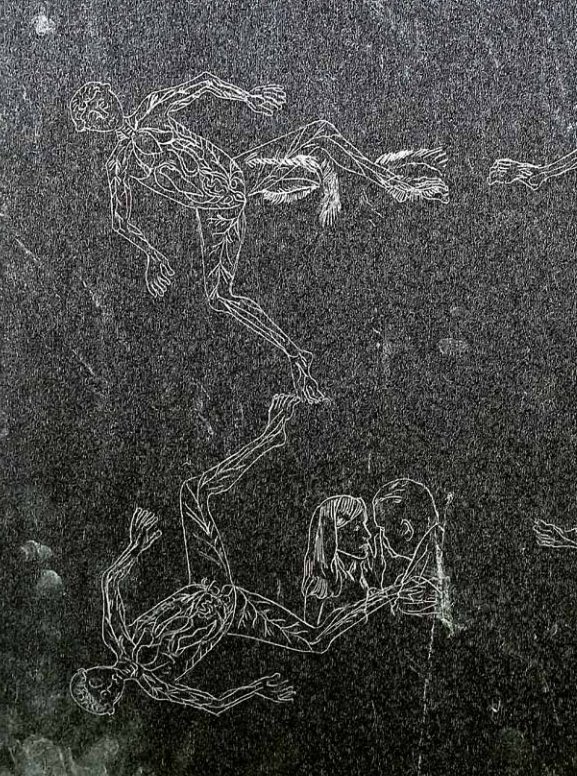
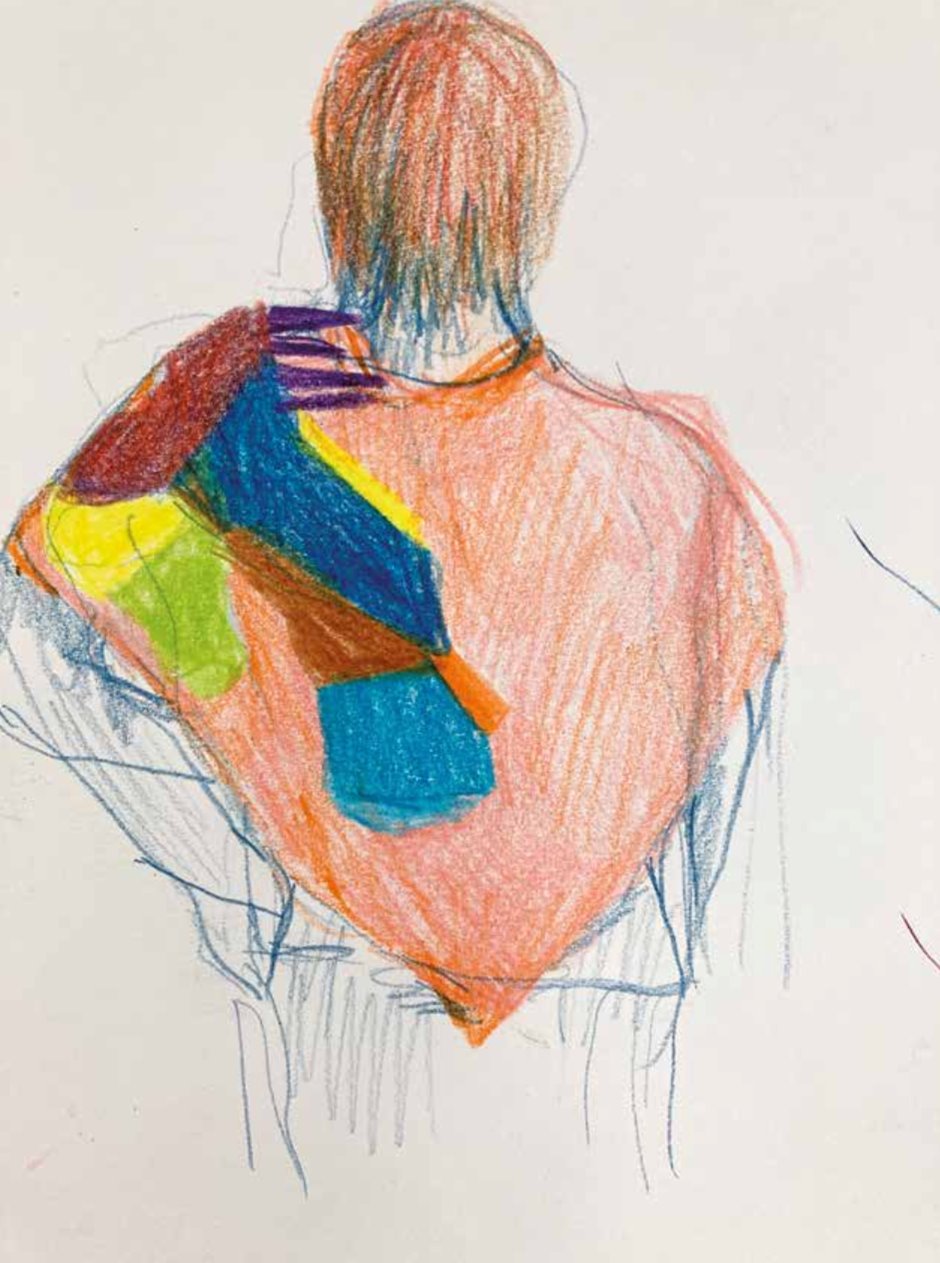
Works from the project In Search of Stories, assembled in the publication WELLICHT.
Transdisciplinary
This form of artistry, happening within a non-artistic environment, is defined by Nirav as transdisciplinarity. He argues that, with this method, artists can have a significant impact on society. Through the professorship Expanding Artistic Practices, he works with lecturing researchers to explore what knowledge and experience is required for this transdisciplinarity. And how arts education can be designed in such a way that students can apply this approach later in their own practice.
Nirav: 'Future artists need to understand how to work in these kinds of environments. It is important, for example, that they feel open and have the freedom to show themselves. They need to recognise that their own artistic expression may at times be secondary to the aims of the collaboration. And they must learn to create professional proximity, to feel involved without becoming overwhelmed.'
The right to be
For Nieke, this way of working with transdisciplinarity proved to be a natural fit during and after her studies. ‘I was keen to work in a science or healthcare environment, because I felt I could learn a lot there. That’s how I ended up in a rehabilitation clinic. Many people in healthcare think you are there to solve a problem, that you are a kind of therapist. But you are not. You enter a temporary relationship with a patient on a completely equal footing. There is no hierarchy, no goal that needs to be achieved. We simply allow the pain, or whatever else is present, to exist. It does not need to be anything else. And then, suddenly, something can be stirred up. It is allowed to be there, with no need to be expressed. And that is incredibly relieving.’
Nieke learned to work transdisciplinarily through trial and error. She is pleased that it is becoming more widely recognised within artistic practice. ‘I call it “art-care”: we are not there to perform a trick. Not there to make music in the background, or a nice decoration for on the wall. We are there to provide a fundamental transformation.’
'I call it art-care'
Guiding Light: The Art of Healthare and Wellbeing
HKU’s Guiding Light The Art of Healthcare and Wellbeing is aimed at the unique contributions that the arts can offer to challenges related to health and the healthcare sector.