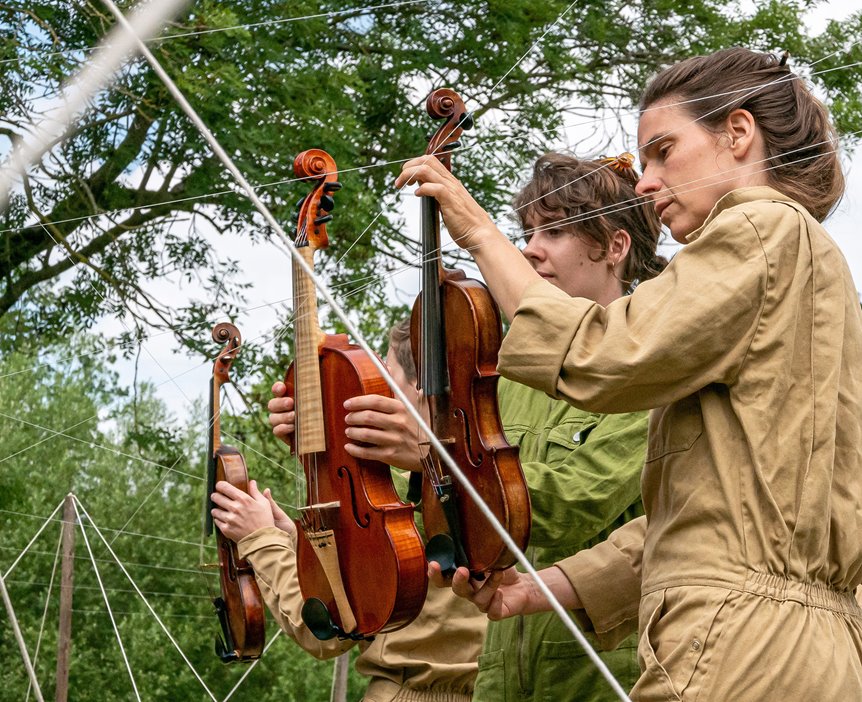
Music is an experience. This is made tangible by Studio Onderstroom in the pop-up store at Utrecht Central Station (platform 19/20) from 16 to 22 February. Step inside and experience the tunes with all your senses, as you discover new means of making music.
The event is a special occasion to celebrate the 150-year anniversary of HKU Utrechts Conservatorium, at a location that is perhaps the busiest place of Utrecht: Central Station. All the more special to have a place here where you can unwind, relax, and physically experience the effect that music can have on you.
Pop-up store Utrecht CS
Special anniversary programme of HKU Utrechts Conservatorium in pop-up store at platform 19/20
- 17/02
- 22/02
HKU alumni transform pop-up store at Utrecht Central Station into a music experience.
- 17 Feb 2026 - 22 Feb 2026
- Utrecht CS
- Spoor 19/20
Pop-up store Utrecht CS
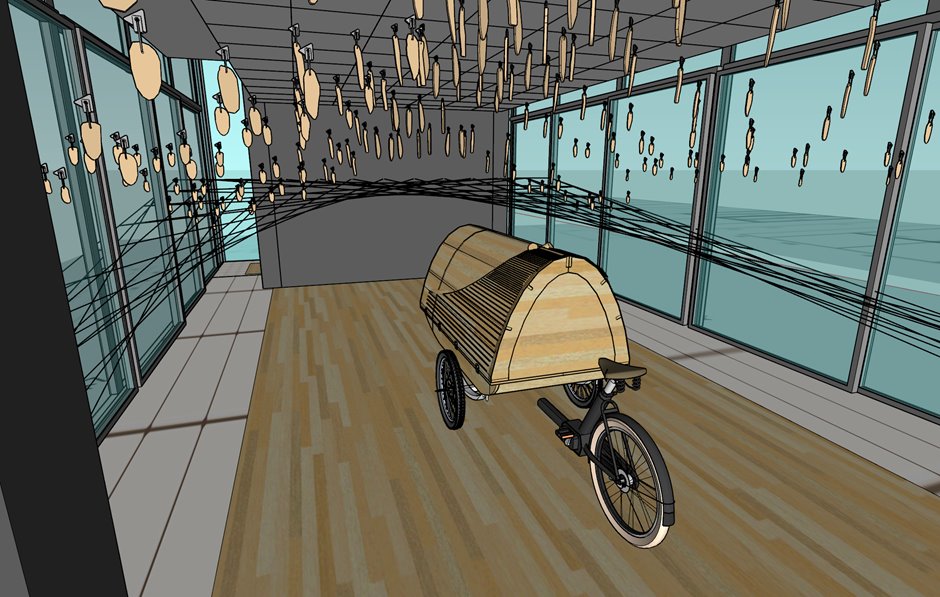
Artist impression pop-up store Utrecht CS
150th birthday of HKU Utrechts Conservatorium
150 years of HKU Utrechts Conservatorium means 150 years of music in the city. Not just music that is heard at the big venues, but also music in schools, at the community and healthcare centres, in people’s living rooms and in their homes. Music is literally inside people’s DNA: children develop a sense for music even before they utter their first words. And throughout the rest of your life, music can evoke strong sensations and emotions. No other art form can move people to tears as strongly and effectively as music.
Musical sound installations by HKU alumni
In short; music does something to people. And that’s exactly where the focus lies in the works of Studio Onderstroom: the creative collective formed by Annabel Schouten and Gemma Luz Bosch, both alumnus of HKU Utrechts Conservatorium (Musician 3.0) and Jurriaan de Vos (alumnus AHK, mime school).
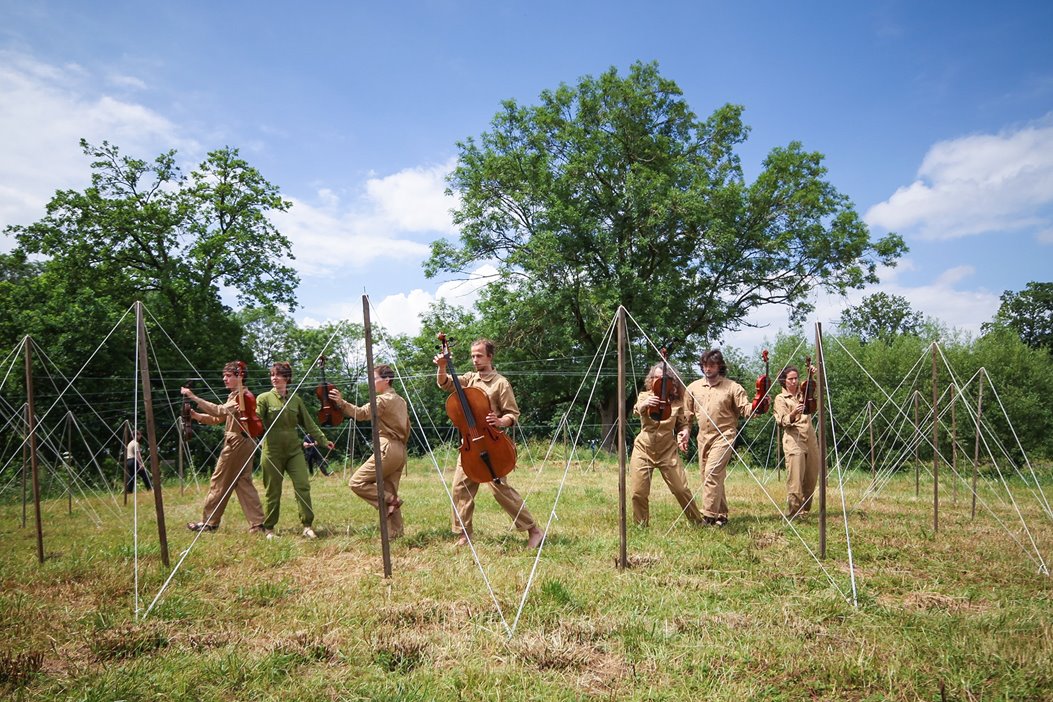
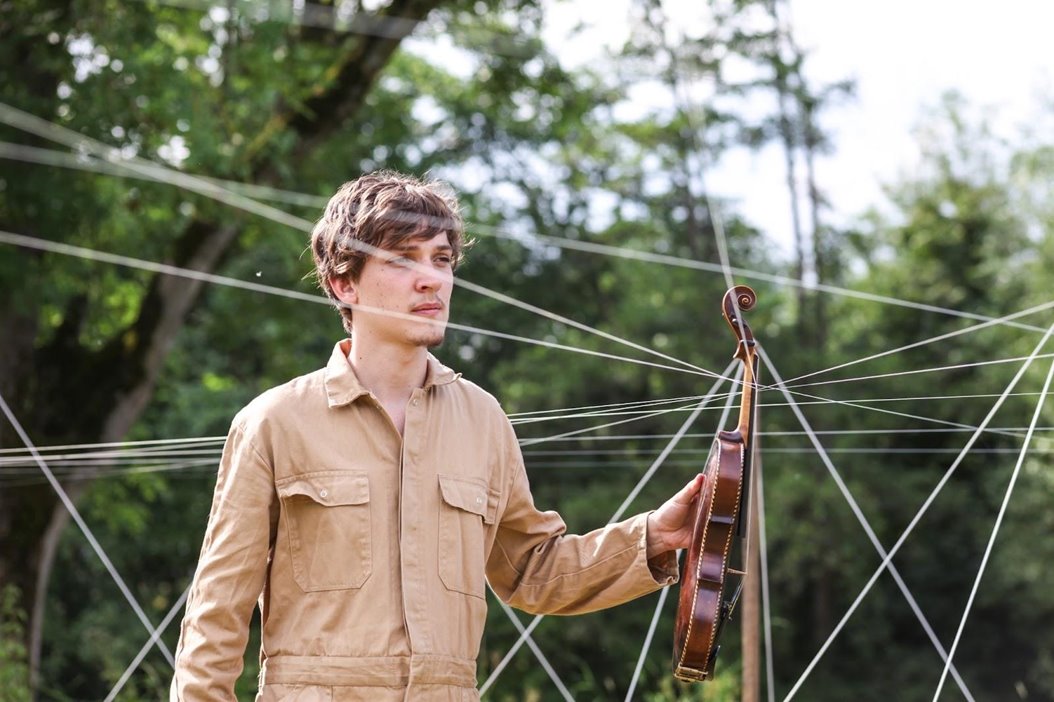
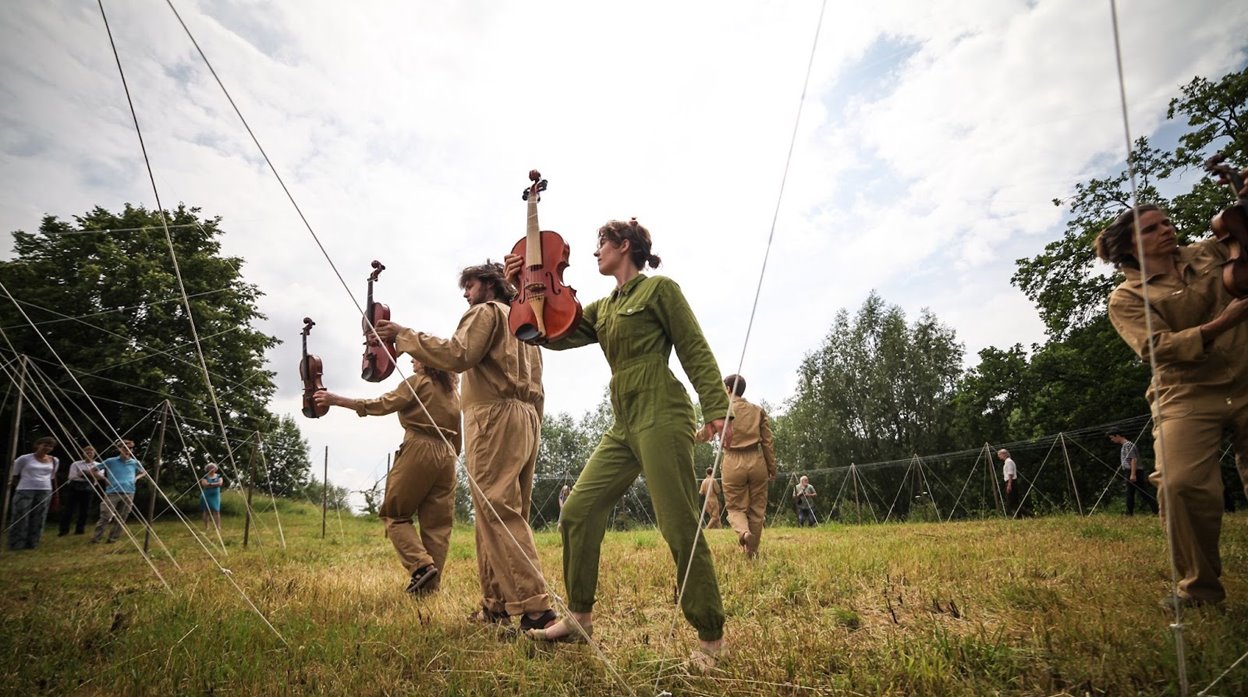
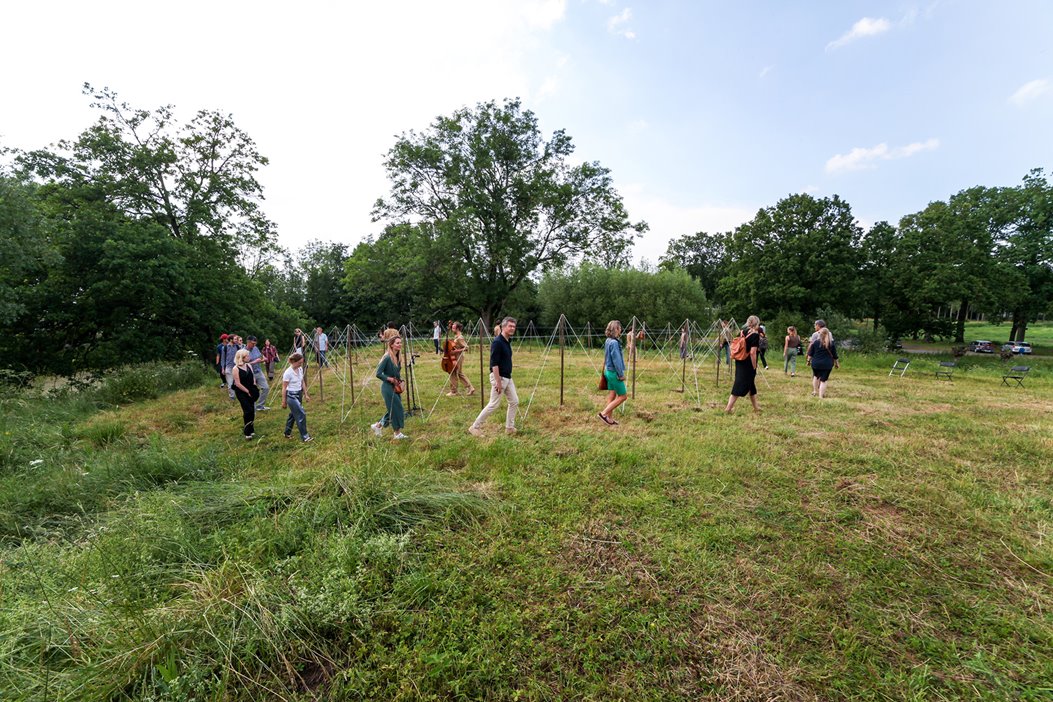
Studio Onderstroom (‘undercurrent’) explores what music can stir up in people, through musical sound installations, by inventing new instruments, and creating musical hikes or interactive experiences. Music is sometimes clearly present, and sometimes less directly, but it’s always an important thread in their creations. By setting sounds into motion and mixing them with other senses, you can truly sense what music does to you.
Programme
In the pop-up store at Utrecht CS, Studio Onderstroom will present a combination of three earlier crafted works that are now joined together for the first time: Aircilla, Circle shaped bow and Inhout.
The pop-up store is open from Tuesday 17 until Sunday 22 February. The opening times are between 08.00 and 20.00 on Tuesday through Friday, and from 10:00 to 18:00 on Saturday and Sunday. Each day, the members of the collective are present to guide visitors through the experience.
Special thanks to NS Stations