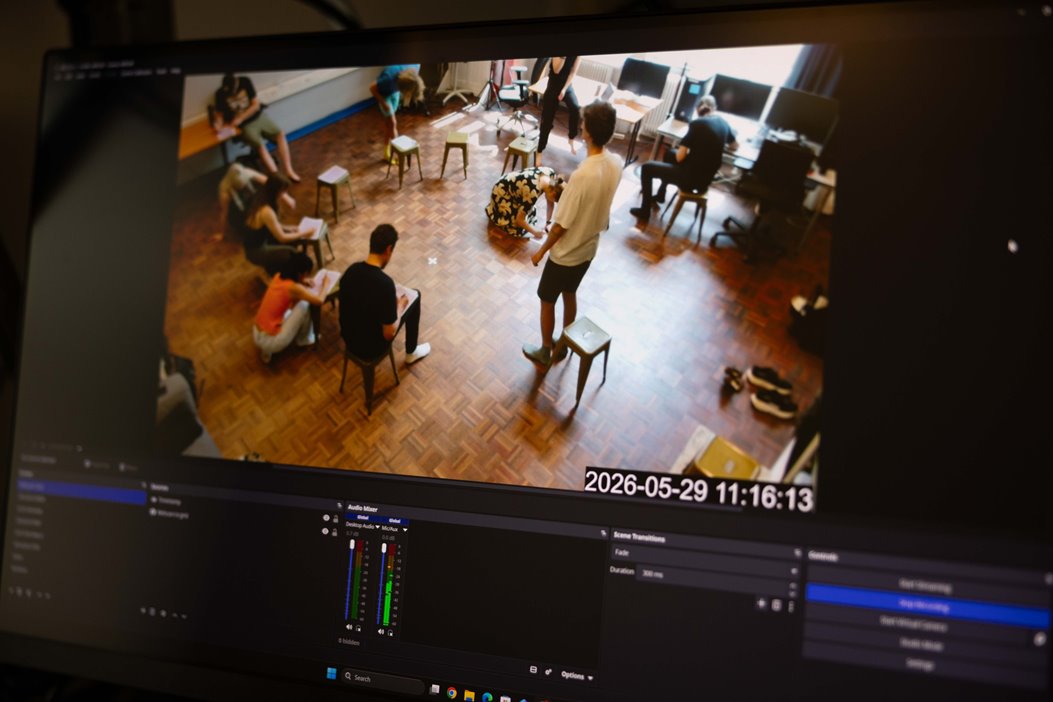
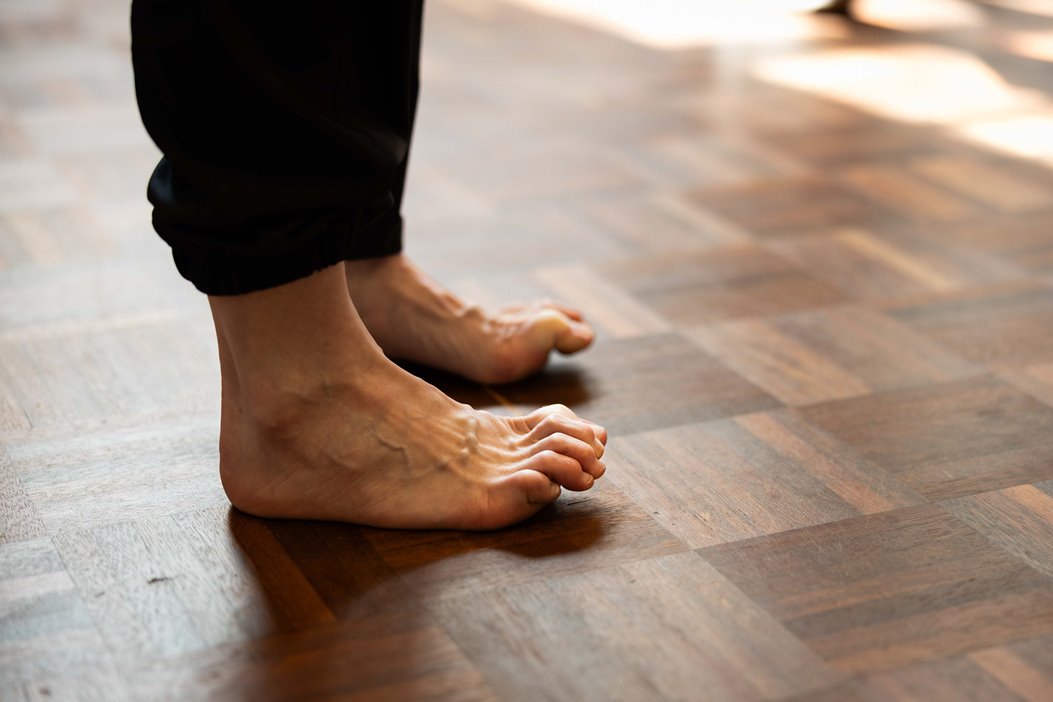
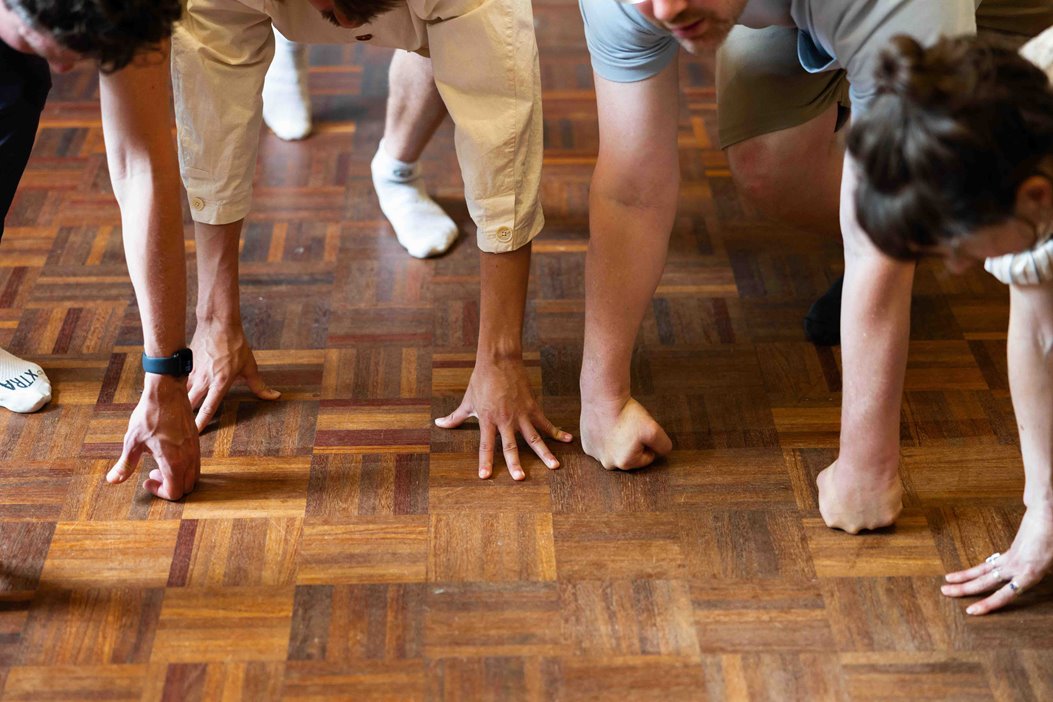
How do you know when you are sitting "comfortably"? And how would you explain in a prompt what you need to do to sit down: which body part starts the process, and how do you describe how it moves? In her workshop The Body as a Research Instrument, choreographer Katja Heitmann had participants discover that things might be self-evident to them, are not at all so simple for someone else. "That's when you notice how much knowledge is actually implicit and physical," reflects associate professor Veerle Spronck. As project leader from the HKU research group Creative Practices and Entrepreneurship, Spronck is involved in Teach Us How to Feel. "Because why does 'sitting comfortably' look so different from one person to the next? What struck me is how much knowledge we actually carry in our bodies without being able to easily express it through words. As soon as you ask someone to explain something completely ordinary, it turns out to be surprisingly complicated."
The Intelligence of the Body
Seminar week of research project Teach Us How to Feel
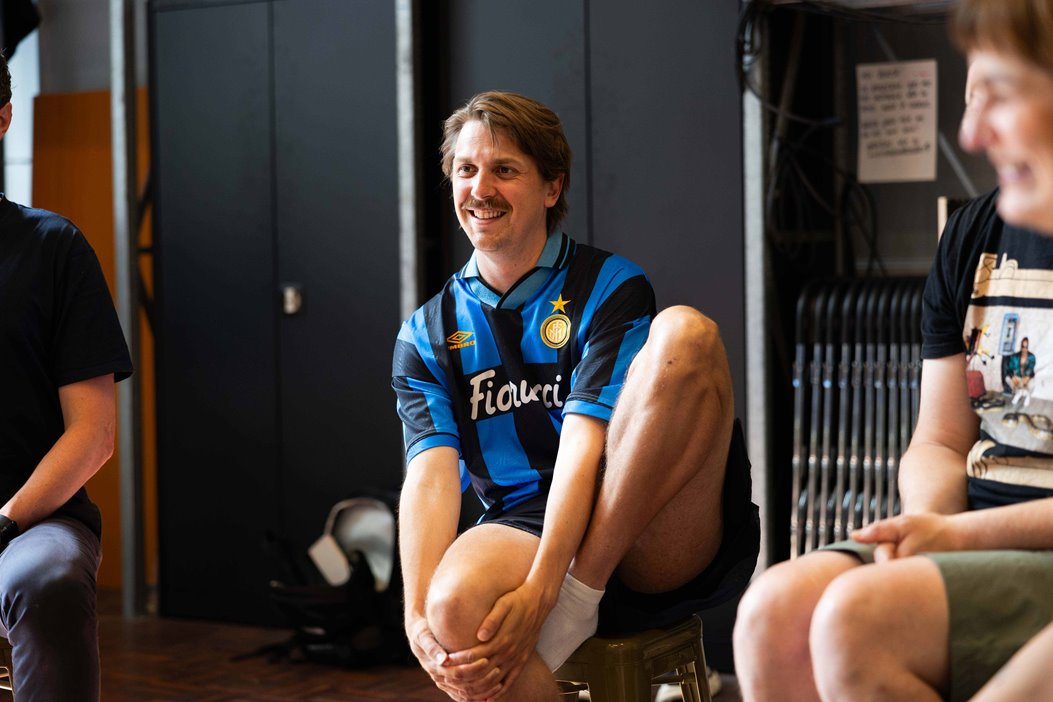
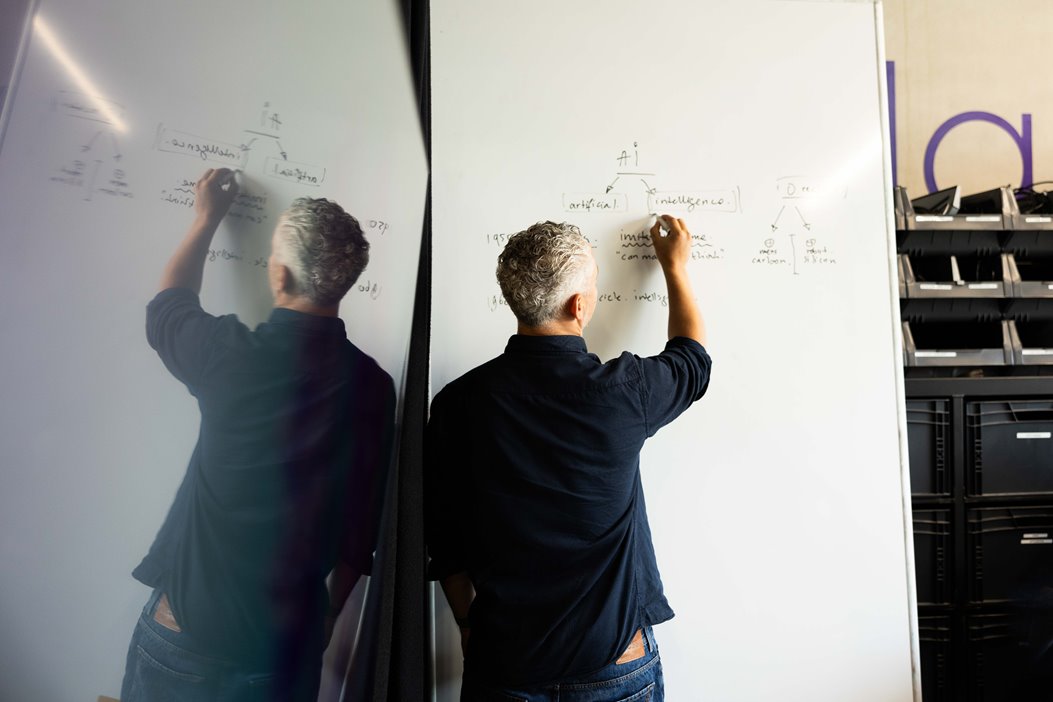
The body has its very own form of intelligence: it feels, experiences, yet it’s non-verbal and situational. The HKU research project Teach Us How to Feel compares this so-called Body Intelligence (BI) alongside Artificial Intelligence (AI), and brings the two into contact, exploring what can be gained from this for purposes of the artistic creative process. In late May, researchers, artists, curators, technologists and students experienced a series of experiments together during a first project week.
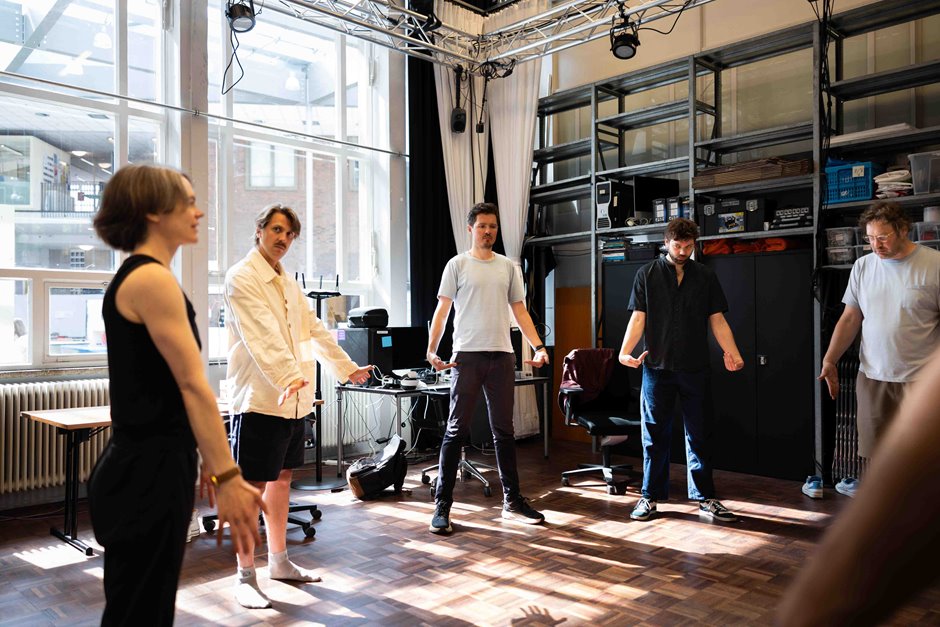
Workshop The Body as a Research Instrument by choreographer Katja Heitmann. Image: Jesse van den Berg.
Interesting and exciting difference
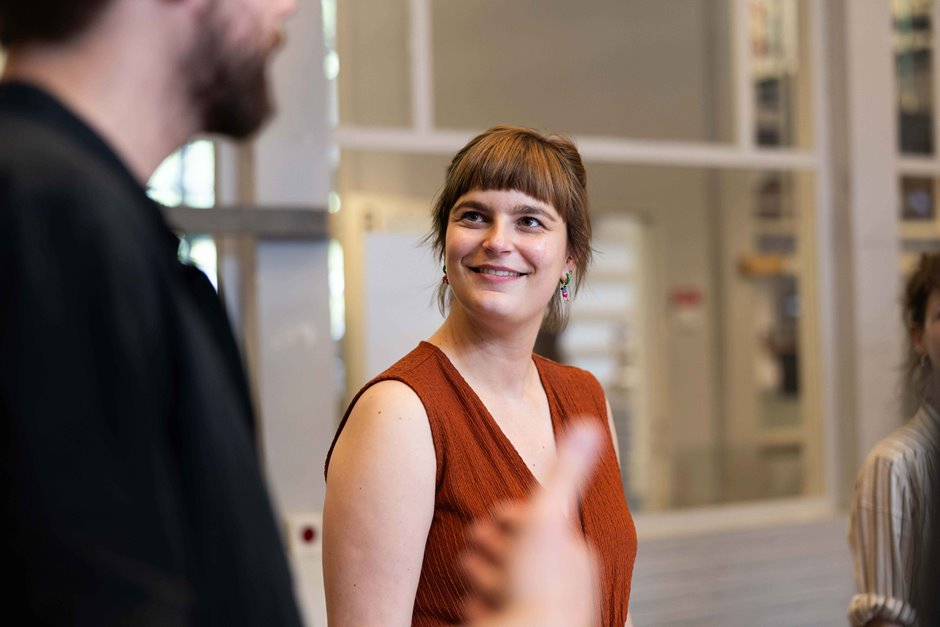
Artificial Intelligence works on the basis of patterns and generalisations, and AI systems excel at knowledge that can be made explicit. In contrast, Body Intelligence starts out from experience and feeling, and is situational, depending on context. Veerle: "For artistic research, that difference is interesting and exciting. What happens when these two forms of intelligence meet? What misunderstandings, translations, surprises or new insights emerge? In that moment, AI isn't used as a tool for speed or efficiency, but for artistic possibilities, because it brings a different perspective."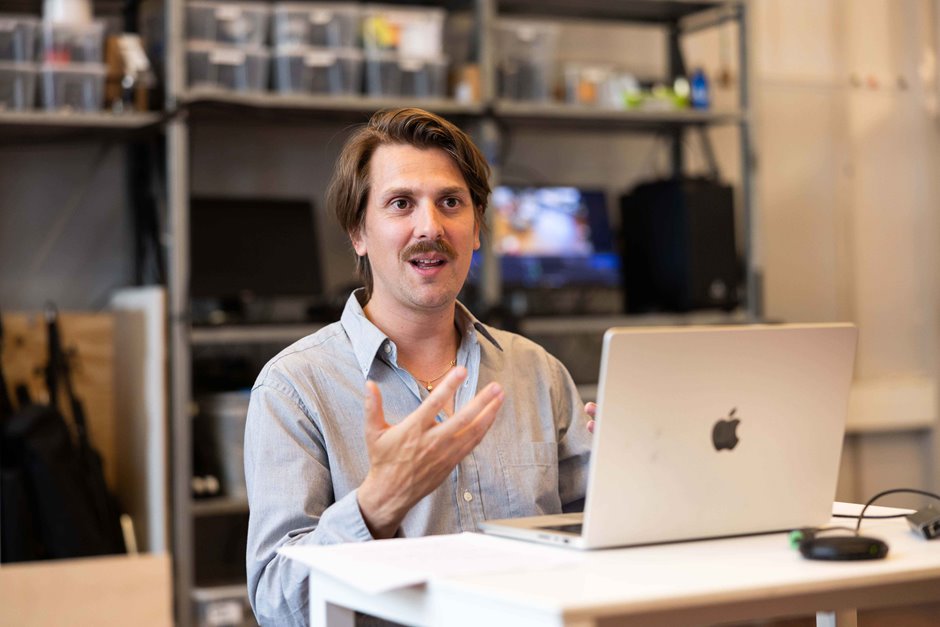
More extreme than expected
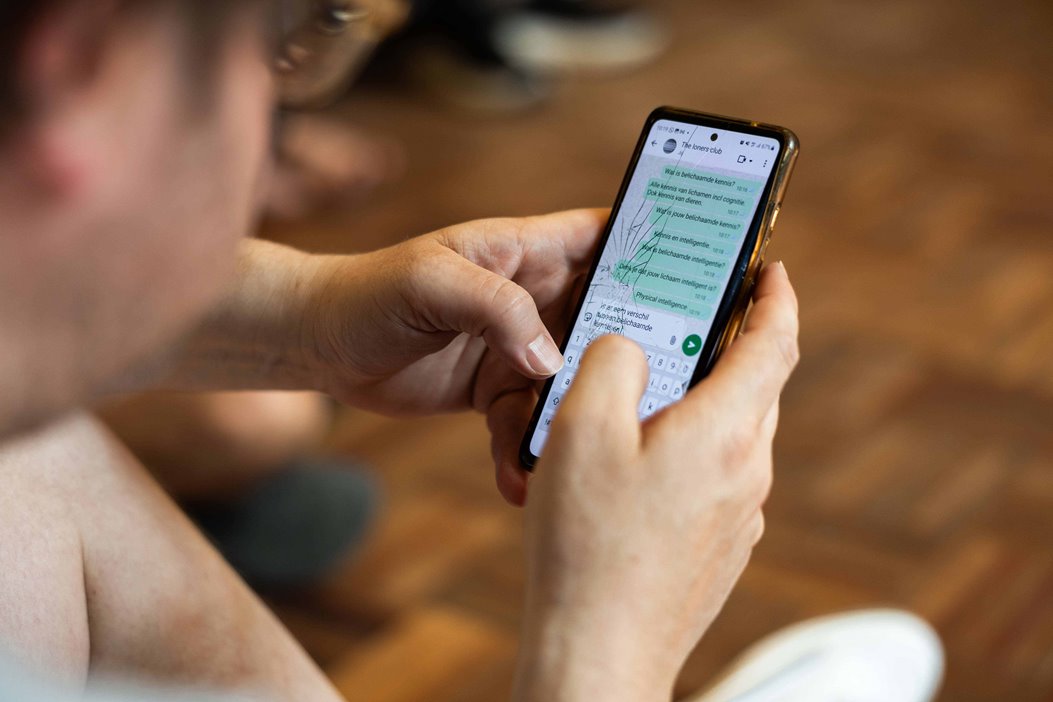
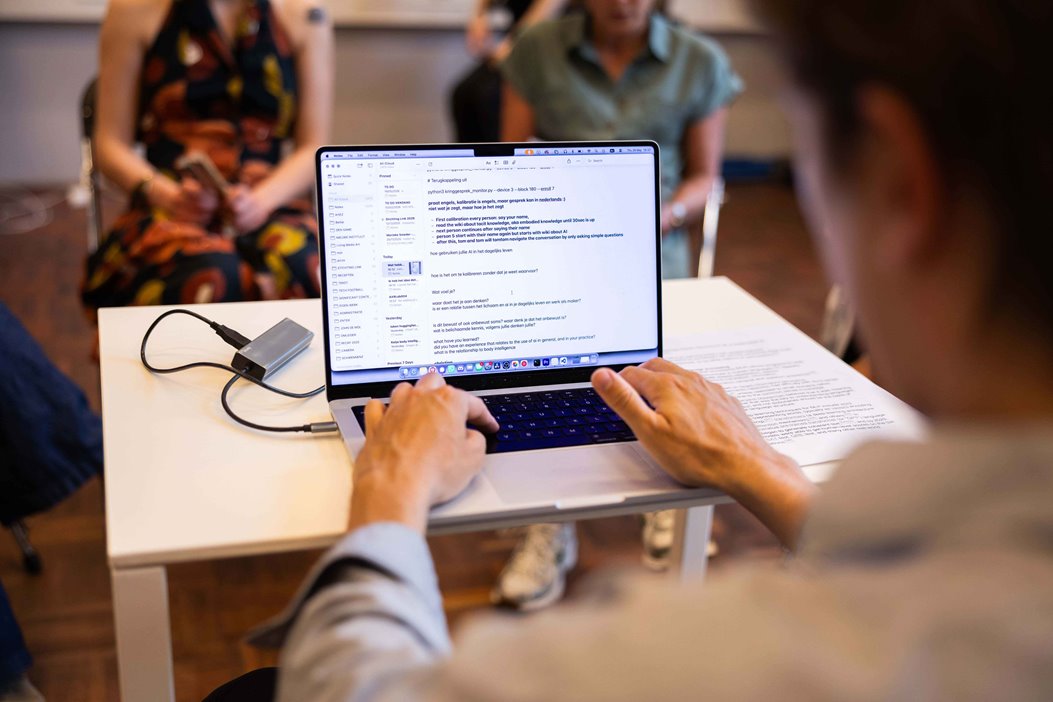
How the body reacts to a technology-based activity, was experienced first-hand by Florian van Zandwijk, who is involved in Teach Us How to Feel as a creative tech artist. He took part in an experiment on collective prompting and what happens when the properties of AI and BI are combined. "I wanted participants to experience what happens in their body the moment they have to conform to the system. The starting point was that AI and humans each have different properties and needs that don't apply to the other. AI is good at recognising patterns in human speech: which member in a group speaks loudest or softest, or the exact speaking time each participant takes up. Humans, on the other hand, have a body, and a need for rest and sleep. That is unfamiliar territory for AI systems. That asymmetry is what I wanted to investigate."
"The result was far more extreme than I had expected," he reflects. "Even in the first phase, when I only wanted to 'calibrate' – that is, agree on the framework within which we would run the experiment and make sure the system could recognise who was who – it turned out that participants immediately developed all kinds of feelings and physical responses toward the system. Feelings of distrust, also toward me as the leader of the experiment, reluctance to take part, questioning the instructions. A major difference between Artificial Intelligence and Body Intelligence was suddenly magnified enormously: the layered nature of embodied experience, and also the physical sensations of stress I observed in the participants."
Dialogue first, technology second
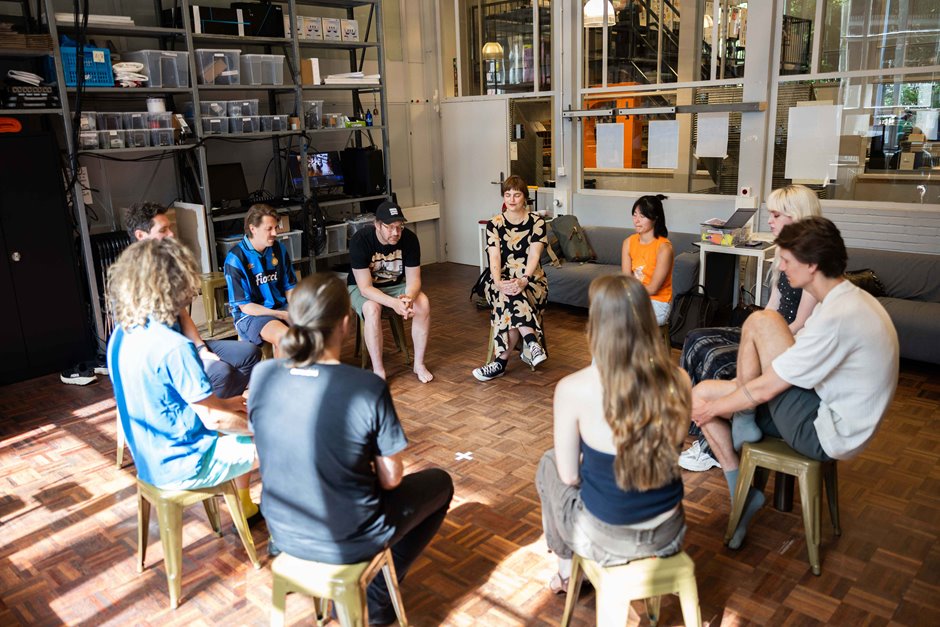
Next time, he would like to start the experiment without technology, in a more equal setup between himself and the participants, introducing the technology only later. "I'd first like to have an open conversation based on our experience and knowledge. That was also the initial intention after the technical calibration. After that, I’d instruct a task in which people, as humans, judge as objectively as possible what percentage of the speaking time each person in the group takes up. And only when there's reason to, I'd introduce, in a transparent way, a technical system that can assist with or take part in that task."
By relating to AI actively, critically and with curiosity, you can develop more understanding of it, and more ownership over it" – creative tech artist Florian van Zandwijk
Learning to reflect
Through his work, Van Zandwijk wants to show that, as a human being, you don't have to choose between fully embracing or fully rejecting Artificial Intelligence. That there is a lot of space in between. For instance, one can use systems in ways they weren't intended for. He designed a reverse-engineered infinite scroll to help people grow tired when they can't sleep. Such an infinite scroll is, in principle, designed by big tech to keep you awake — but in this version, Van Zandwijk strung together video clips showing people's "get ready with me" rituals, in which they get out of bed and get ready for the day, only reversed and slowed down. Florian: "I want to show that we all have a form of power: the ability to relate to the technology that's presented to us. By relating to AI actively, critically and with curiosity, you can develop more understanding of it, and more ownership over it. And by gaining more insight into how AI is made, it loses some of its mythical status."
AI and BI in creative practices
The outcomes of the project week on the relationship between Body Intelligence and Artificial Intelligence will be used as research material within Teach Us How to Feel. In addition, HKU students are getting interviewed about the role of AI, and the role of their own bodies, in their creative practice. Students from Media, Music and Technology, Creative Transformation, and Art and Economics are being interviewed on this topic. Veerle Spronck: "Those different disciplines are incredibly interesting, because everyone experiences AI and creativity in a different way. Over the coming months, we hope to add many more voices."
About the project: Teach Us How to Feel
Teach Us How to Feel: Embodied Knowledge and AI in the Creative Process investigates how AI and embodied knowledge influence one another, and how they might work together within artistic and design research. The goal is to develop new creative strategies that connect human intuition and technology. A diverse team of artistic researchers works together on the project with artists, curators and technologists.
To the project page