The Art of Impact

The two-year research project The Art of Impact, conducted by the Creative Practices and Entrepreneurship professorship, explores how the cultural sector can engage with impact in a more meaningful way.

Social change and impact

The concept of impact is now widespread in the arts and cultural sector. Artistic practices are increasingly expected to bring about social change and contribute to addressing social issues. In national cultural policy, cultural organisations are assessed on their artistic quality as much as on their social value.

The need for a different, more qualitative approach to impact

In practice, managing and demonstrating impact is complex. Cultural organisations need qualitative methods that do justice to their ways of working and to the impact they have on participants and other stakeholders. This requires widely supported and practice-tested impact domains and impact indicators. An impact domain might be, for example, improved mental wellbeing, stronger social connectedness, or new knowledge, experiences or insights. Impact indicators are even more specific.

In short, a different approach is needed that enables cultural organisations and funds to work in a more impact-oriented way by aiming towards impact, evaluating it and embedding it in policy.

A different approach is needed to enable cultural organisations to work in a more impact-oriented way
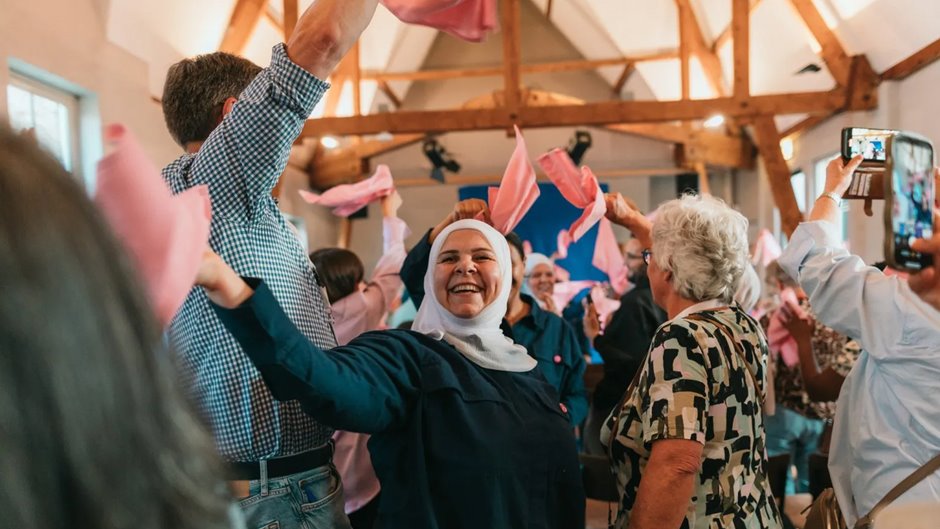
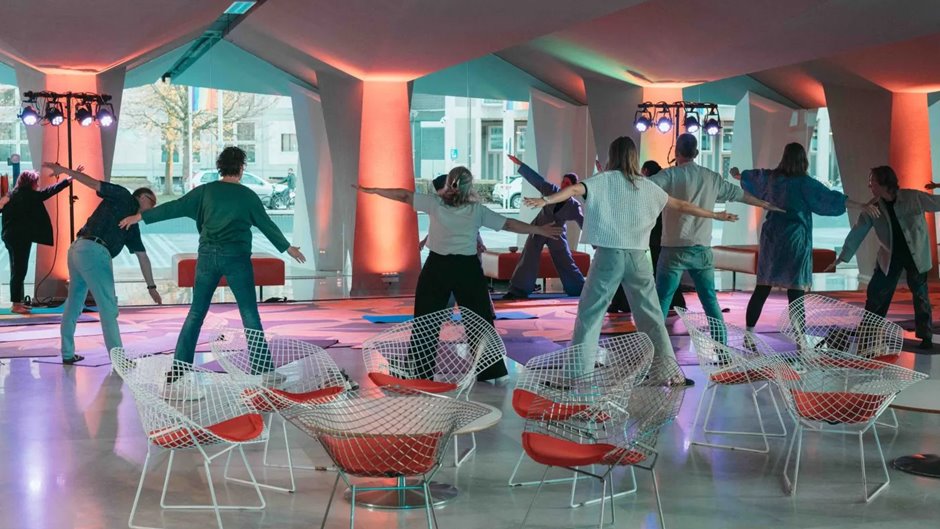
Project Nieuwe Arnhemse Meisjes by Bureau Ruimtekoers in Arnhem. Photo: Tijmen Berens.

Social art practices: Framer Framed Noord

This need is particularly urgent for cultural organisations and funds that use art projects in the social domain to build long-term relationships with partners and audiences. Existing impact methods are often poorly suited to their long-term trajectories, their objectives for change, and their often vulnerable and/or multilingual participants.

One example: the reseach has a pilot in collaboration with Framer Framed Noord, a place for artistic neighbourhood work in Amsterdam-Noord run by the visual arts institution Framer Framed. Framer Framed Noord co-programmes social art activities with local residents, neighbourhood organisations, youth workers and the local government. How can the organisation respond to needs and questions from the neighbourhood while pursuing artistic and social impact goals? Can it evaluate impact in a way that fits its own co-creative approach?

Artistic and participatory methods

Together with a broad consortium of cultural organisations, sector associations, support organisations, national cultural funds and private funds, HKU and Fontys are laying the foundations for a more meaningful approach to impact in social art practices through this research project.

The research question is: how can cultural organisations and funds use artistic and participatory methods to develop practical tools for managing, evaluating and facilitating social impact in the social domain?

Project Nieuwe Arnhemse Meisjes by Bureau Ruimtekoers in Arnhem.

Reearch process

The project runs from May 2026 to April 2028. The first step is to map needs, methods currently in use, and existing impact domains and indicators. This will be followed by five pilots focusing on impact strategy, impact evaluation and impact policy at cultural organisations and one cultural fund. The pilots will then be analysed, leading to knowledge products that cultural organisations and funds can use to work in a more impact-oriented way.

Expected outcomes

The expected outcomes of the research are:

  • A roadmap for developing impact strategies and evaluating impact, aimed at cultural organisations and makers, including with a clear approach and methods;
  • An integrated and validated impact taxonomy with indicators for social impact;
  • A knowledge dossier on impact policy, to facilitate and fund social impact in social art projects;
  • A competency framework for impact-oriented working, aimed at organisations, funds and educational programmes;
  • Publications on impact-oriented working.

The art of impact

Supported by