The Colonial Past of Janskerkhof 18
An evening with (Dutch) lectures, performances and music
- 19/11
- Reservations (free)
Dive into the previously hidden colonial history of HKU’s Janskerkhof location.
- 07:00 PM - 09:30 PM
- 19 Nov 2025
- HKU Theater
- Kleine Zaal
- Janskerkhof 18
The Colonial Past of Janskerkhof 18
The Netherlands has a long history of colonialism. That history resonates in our daily lives, often in ways we don’t immediately recognise. Its traces can range from the very small to the very large, from a family’s past to ideas of citizenship. In the learning environment, such as secondary school or college, we sometimes hear about it — but just as often we d not. And occasionally you might be inside a building that is very directly linked to colonial times. What does that mean?
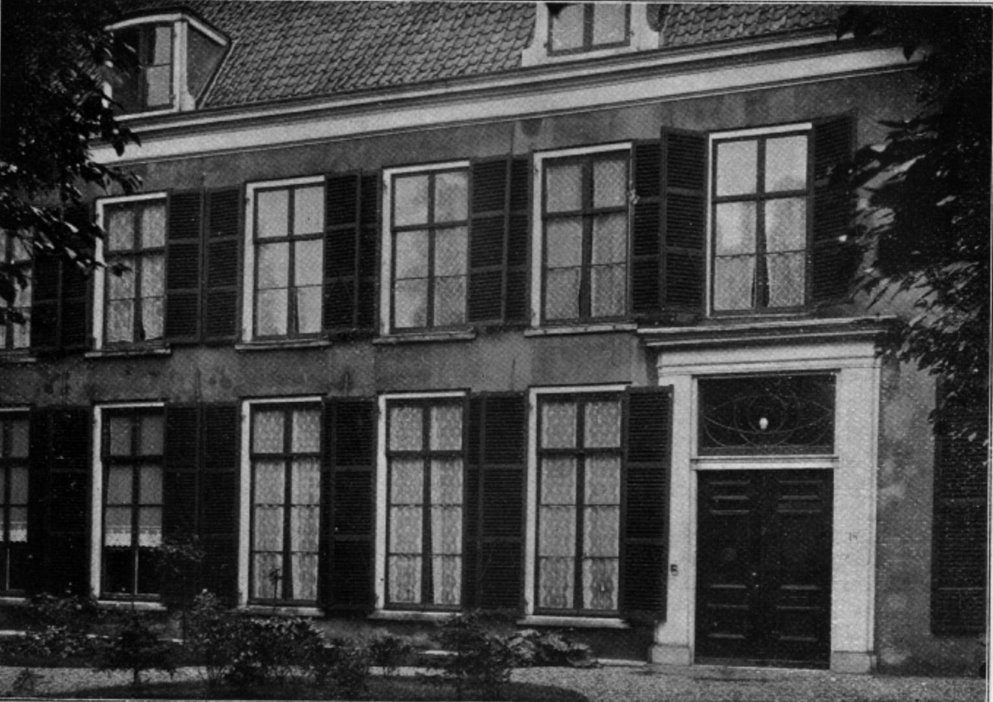
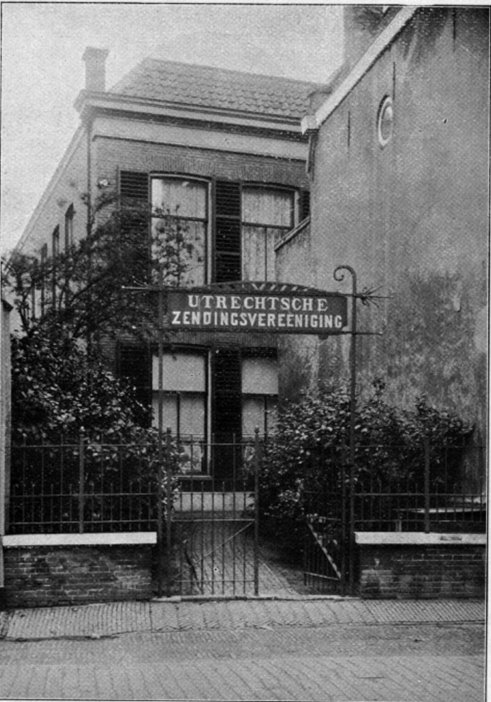
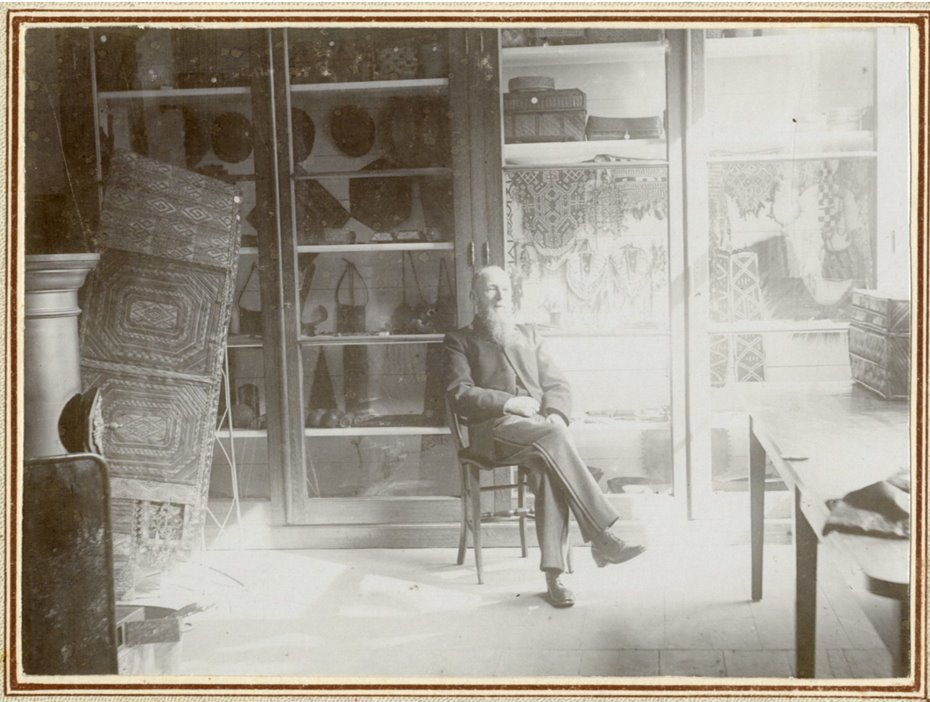
Janskerkhof 18 is such a building with a direct link to the colonial past of the Netherlands. On 19 November we will bring this history to life in a diverse programme. The Utrecht Missionary Association (Utrechtsche Zending Vereniging) was housed here at Janskerkhof from 1883 to 1906, where they kept a collection of material culture from different parts of the Indonesian archipelago. Displayed in the building were artefacts from New Guinea and also from Halmahera and Buru – all islands that are now part of Indonesia.
In a programme of short lectures, a panel and presentations by performers with Papuan roots who studied at HKU, we delve deeper into that history. How did those artefacts get here? What was the Utrecht Missionary Association? What did religion have to do with colonialism? And what does this mean for us today? Discover the answers to these and other questions in this evening of talks, performances and music.
The colonial past of Janskerkhof
Wednesday 19 November
19.00: doors open, 19.30: programme starts, 21.30: end
HKU Theatre, Kleine Zaal, Janskerkhof 18
Free admission, reservation required
Reservations
Sprekers
Amelie Roussillon was a post-doctoral researcher connected to the four-year research project Pressing Matter up to 2025. The project investigates how colonial objects can contribute to dealing with the colonial past and its effects in current and future society, both nationally and internationally. One of ways in which this is done is by revealing the provenance histories (e.g. origins) of objects – which Amelie Roussillon did this for the UZV collection in the HKU building at JK 18. (Speaker is not present, but will appear in a pre-recorded presentation)Janneke Stegeman (Vrije Universiteit) is co-author of the book Uitverkoren (‘Chosen’, 2025) in which she, together with Saskia Pieterse (Erasmus Universiteit), dissects the positive self-image of the Dutch and explain how this image caused the Netherlands to become a Protestant nation. Words such as free, tolerant, enlightened and moderate have been associated with the country all the way back to the seventeenth century. Why is this – and especially: how does that fit with four centuries of colonial domination?
Geertje Mak (Universiteit van Amsterdam): wrote the book Huishouden in Nieuw-Guinea (Housekeeping in New Guinea, 2024), in which she describes how, in the mid-nineteenth century, a group of idealistic Protestant missionary couples settled in New Guinea. They tried to convert indigenous Papuan peoples to Protestantism, built houses with curtains on the windows, biblical scriptures on the walls and had a little organ to sing along with. And this is where Papuan children were taken to, who had been bought out of (local) slavery and re-educated.
Nancy Jouwe is PhD researcher at Vrije Universiteit and of Papuan descent. As Fellow at HKU (2022–2025) she focuses on the past and present of the colonial and slavery history of Utrecht. She initiated this event and will introduce and moderate the programme.
Performers
Robinson Jouwe is a singer-songwriter, who graduated from HKU Conservatorium in 2024 where the examination board praised his natural stage personality as well as his colourful songs in tasteful arrangements. He is a genuine singer-songwriter who shapes his own universe of sounds and messages, inspired by his Papuan roots and queer identity.Frank Irving writes music and lyrics and devises theatre productions. Looking at what meaning and connection with the present might be, Frank readily investigates and creates both possible and fictitious reconstructions of stories, ideas and patterns of thought in the history of his city of birth Utrecht.